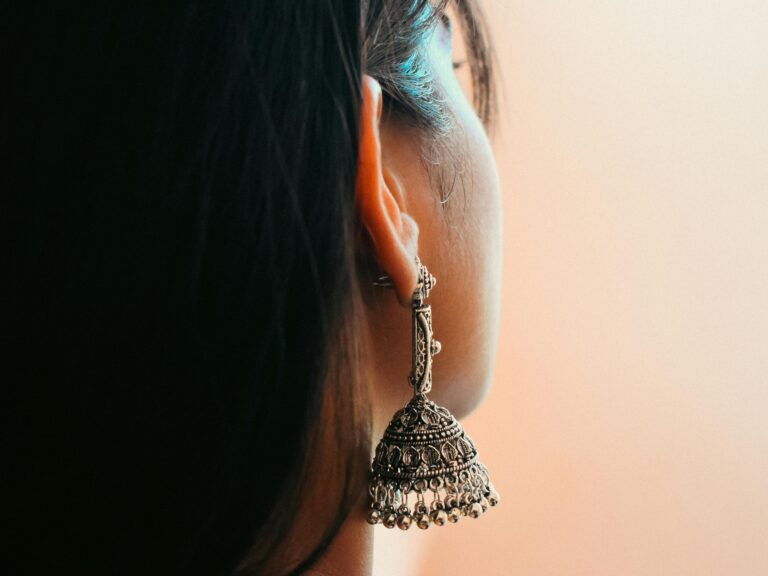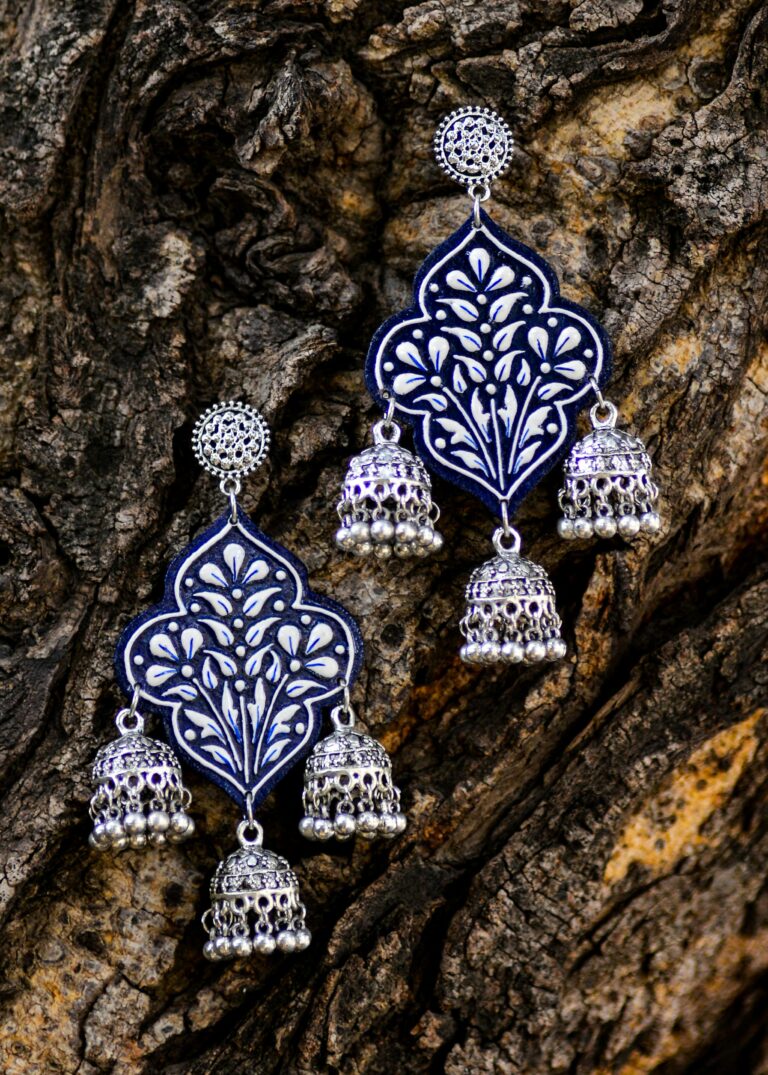


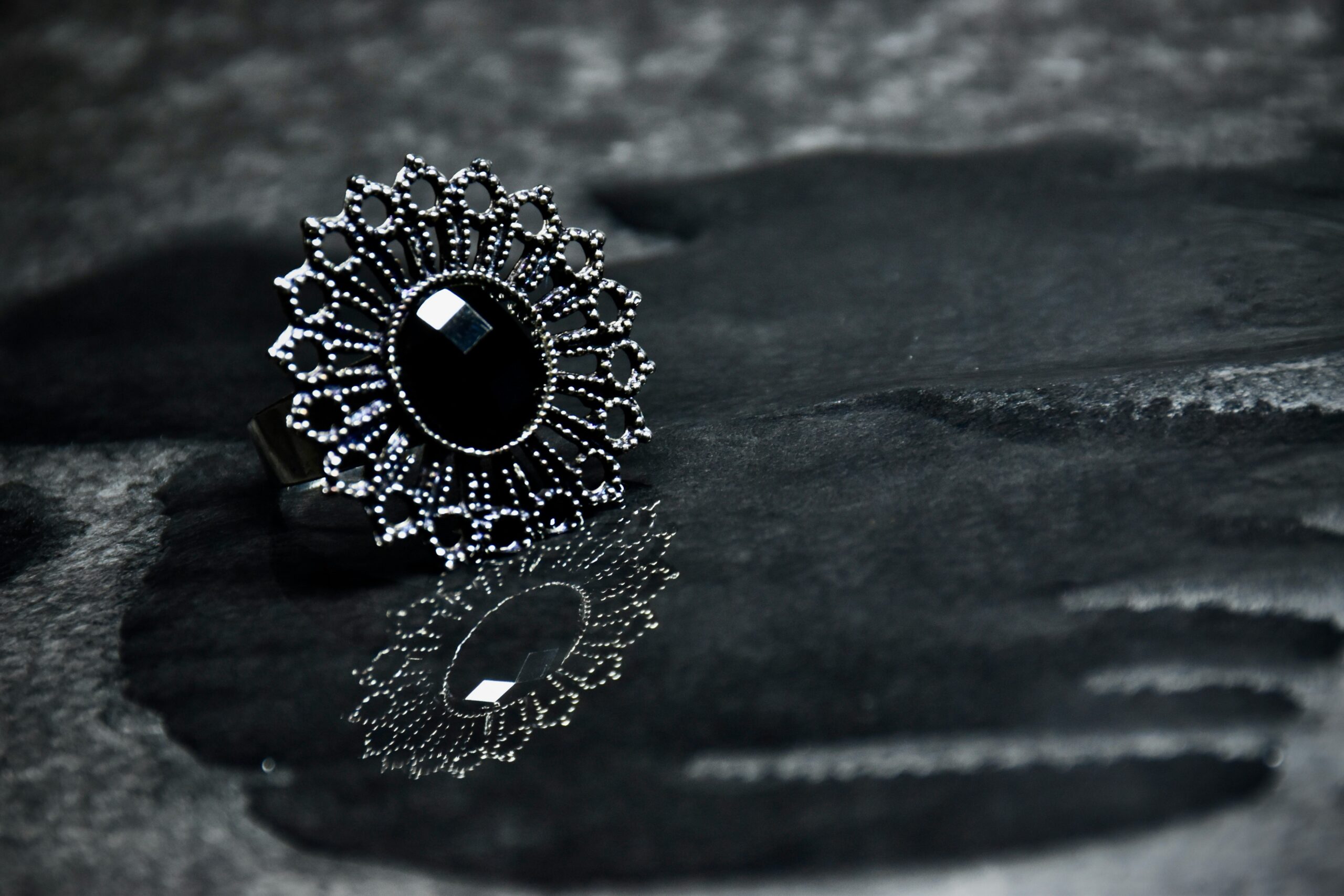
Oxidized jewelry is more than just an accessory; it’s a reflection of India’s rich cultural heritage and artistic traditions. This antique-style jewelry showcases the skills of Indian artisans, blending traditional techniques with modern aesthetics. Here’s how oxidized jewelry represents Indian craftsmanship:
1. Intricate Detailing and Designs
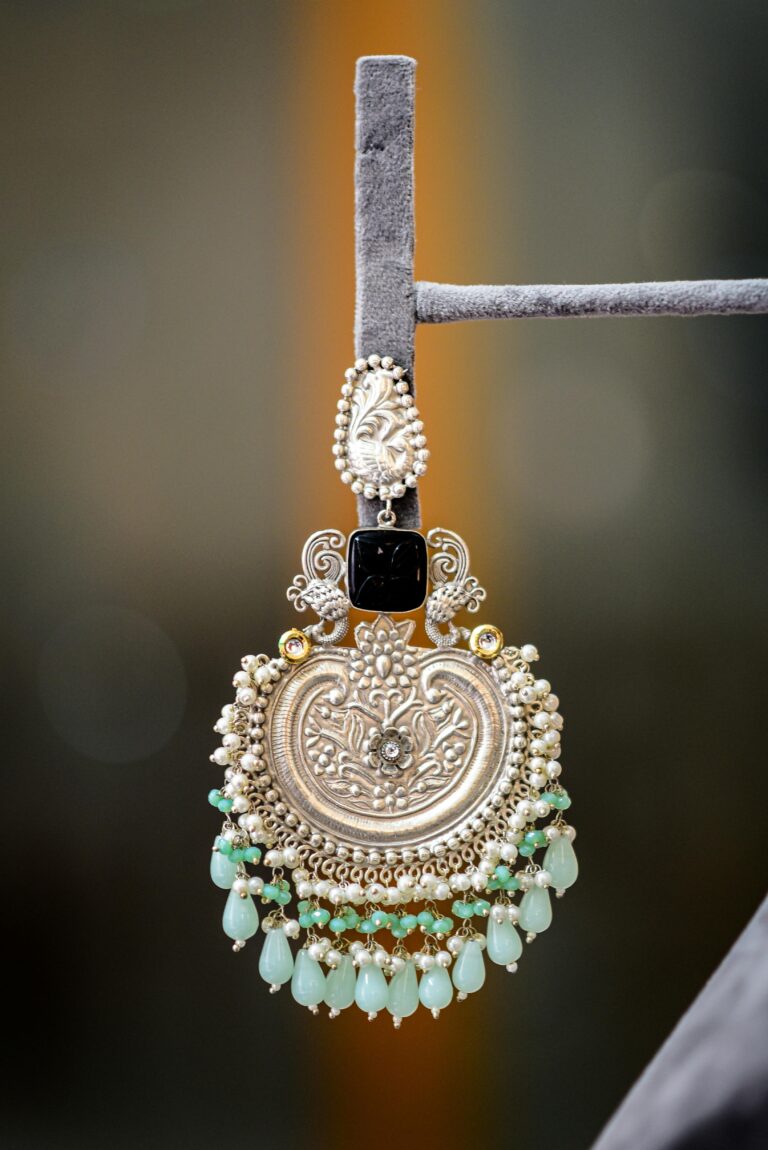
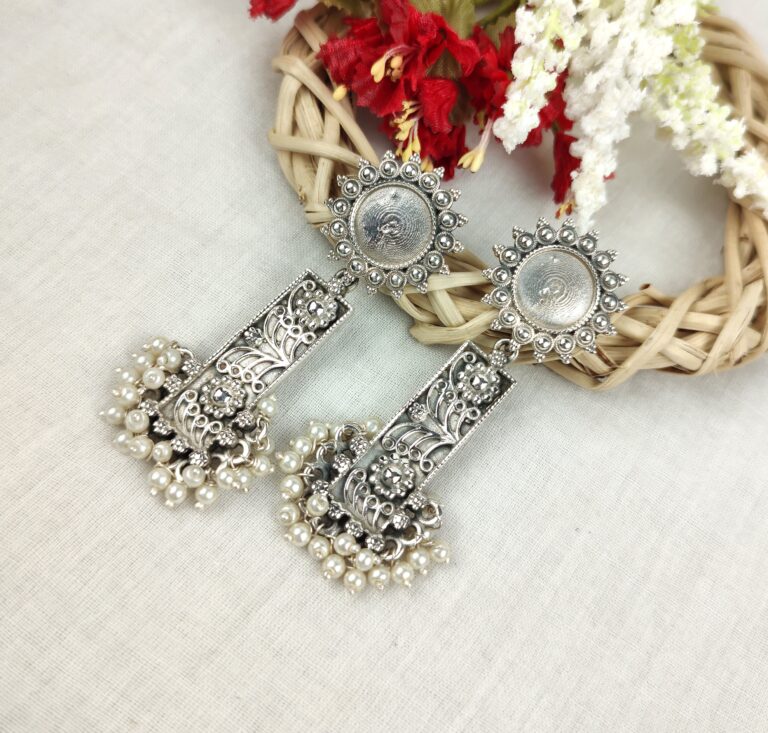
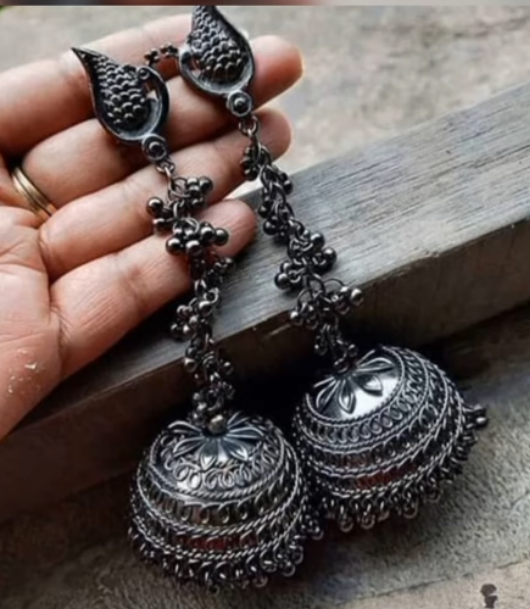
- Indian oxidized jewelry often features intricate carvings, filigree work, and embossing, showcasing the unmatched precision of skilled artisans.
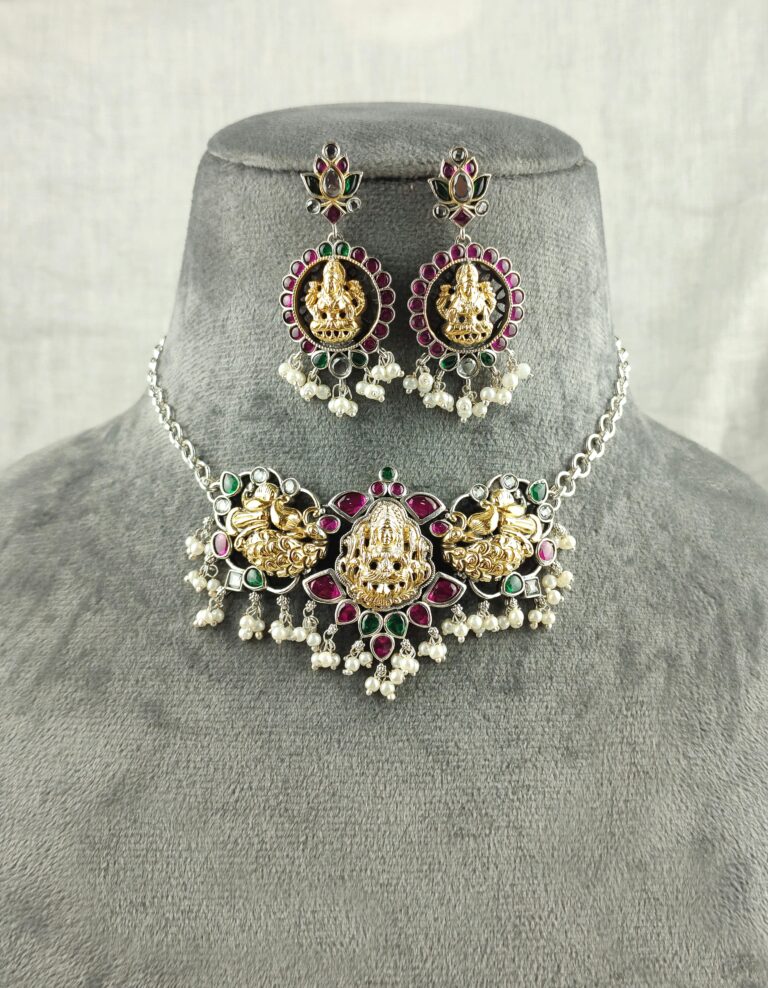
- The motifs and patterns are inspired by Indian culture, including floral designs, tribal art, temple carvings, and mythology.
2. Traditional Techniques
- The oxidation process itself is an age-old technique used by Indian craftsmen to create a darkened, antique finish on metals.
- Techniques like hand-engraving, embossing, and wirework are integral to crafting oxidized jewelry, preserving traditional methods passed down through generations.
3. Regional Art Forms
- Each region of India contributes its unique style to oxidized jewelry.
- Rajasthan: Famous for its tribal and Meenakari-inspired oxidized pieces.
- Gujarat: Known for chunky, bohemian oxidized jewelry with mirror work.
- Odisha: Temple-inspired designs with motifs of deities and natural elements.
4. Use of Local Materials
- Indian artisans use locally sourced materials like brass, copper, or mixed alloys to craft oxidized jewelry.
- This reflects sustainable practices and the ability to create beauty from readily available resources.
5. Versatility and Innovation
- Indian craftsmanship adapts to evolving trends while retaining traditional elements.
- Modern oxidized jewelry combines traditional motifs with contemporary designs, making it versatile for both ethnic and western outfits.
6. Representation of Tribal Art
- Tribal communities across India, like the Banjara and Bhil tribes, craft oxidized jewelry to reflect their culture and heritage.
- The bold, statement-making pieces showcase the vibrant artistry of India’s tribal regions.
7. Affordability Without Compromising Elegance
- Indian artisans have mastered the art of creating affordable oxidized jewelry that does not compromise on beauty or quality.
- This makes traditional craftsmanship accessible to a broader audience while promoting local artistry.
8. Celebration of Festivals and Traditions
- Oxidized jewelry is often adorned during Indian festivals like Navratri and Diwali, reflecting its cultural significance.
- The designs often incorporate symbols of Indian traditions, such as peacocks, lotus flowers, and temple domes.
9. Support for Handcrafted Artistry
- The majority of oxidized jewelry is handmade, showcasing the dedication and skill of Indian artisans.
- By purchasing oxidized jewelry, you support local craftsmen and help sustain traditional Indian art forms.
10. Global Appeal of Indian Craftsmanship
- Indian oxidized jewelry has gained global recognition for its unique designs and artistic value.
- Its antique charm appeals to international audiences, serving as a testament to India’s rich heritage.
11. Symbol of Cultural Heritage
- Oxidized jewelry reflects India’s diverse cultural history, blending influences from Mughal, Rajput, and tribal art forms.
- Each piece tells a story, representing the deep connection between jewelry and Indian traditions.
12. Personal Touch in Handmade Pieces
- Every piece of oxidized jewelry carries a personal touch, as it is often handmade by skilled artisans.
- This individuality enhances the charm and uniqueness of each design, making it a true work of art.
Conclusion
Oxidized jewelry is a beautiful representation of Indian craftsmanship, celebrating the country’s cultural heritage, artistic diversity, and traditional techniques. By incorporating intricate designs, sustainable materials, and regional art forms, Indian artisans have turned oxidized jewelry into a timeless fashion statement. Whether worn for festivals, casual outings, or formal events, oxidized jewelry connects the wearer to the rich legacy of Indian artistry.